



PLANCKS Kent 2026
Speakers
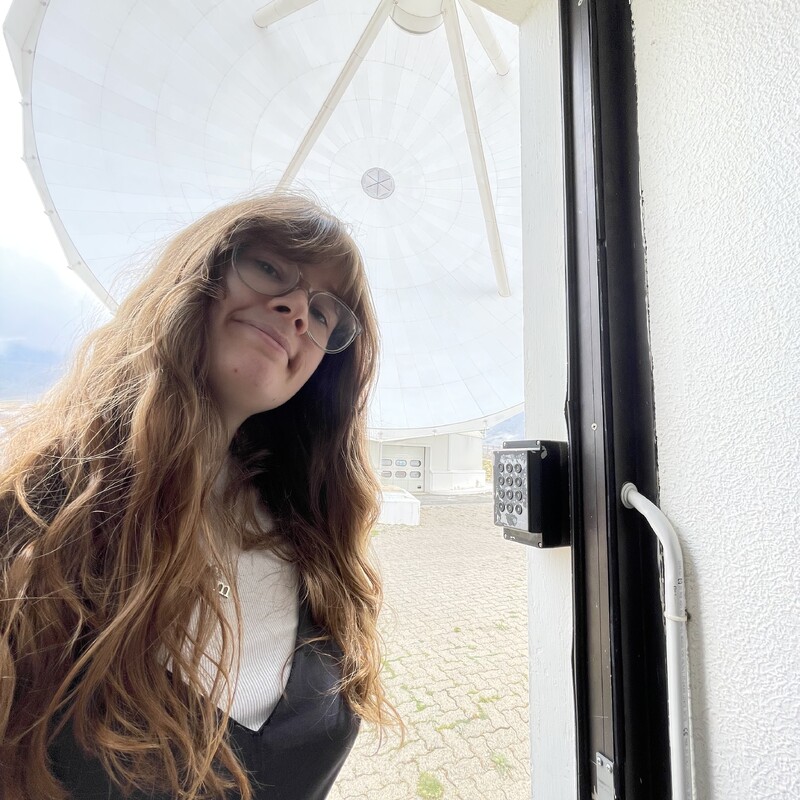
Dr Molly Wells
Max Planck Institute for Astronomy
Lecture: 1
Date: Friday 20th February
Time: 17:30
ABSTRACT:
Following the Flow: How Material Forms Stars
Massive stars play a crucial role in shaping galaxies, yet how they form remains one of the major open questions in Astronomy. In this talk, I will begin by sharing my own journey into research, starting as an undergraduate (at the University of Kent!) and continuing through completing my PhD and what I’m up to now. We will then discuss the basic ideas behind star formation and why high-mass stars are some of the most fascinating—and challenging—objects to study in the universe. The second part of the talk will focus specifically on my research, which investigates how material flows from large cloud scales down onto the central sites where massive stars are born. Using observations that trace gas motion at many different spatial scales, I study the relationships between the flow of material and other key parameters, such as environment and initial mass. This talk is intended as an accessible introduction to both a career in astrophysics research and to the fascinating process of massive star formation.
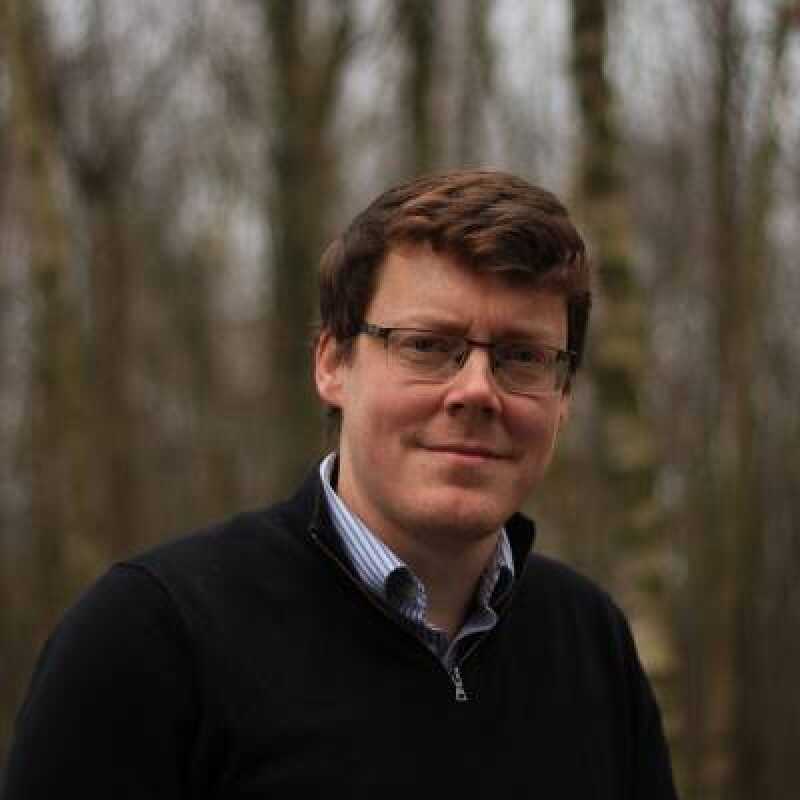
Dr Mike Hughes
University of Kent
Lecture: 2
Date: Saturday 21st February
Time: 09:30
ABSTRACT:
While the development of optical fibre technology has been driven by the telecommunications industry, fibre optics also plays a crucial role in medical imaging. Optical fibres allow us to create thin, flexible imaging devices that can be used to probe deep inside otherwise inaccessible environments, such as the human body. This talk will explore some recent advances in imaging through fibres, focusing on the physics and engineering that makes these techniques possible, and highlighting some of the research in this area at the University of Kent. This will include image transmission through multimode fibres, which involves encoding image information in the fibre modes, as well as through fibres bundle. We will also look at how coherent imaging modalities such as holographic microscopy and optical coherence tomography (OCT) can be performed via optical fibres.
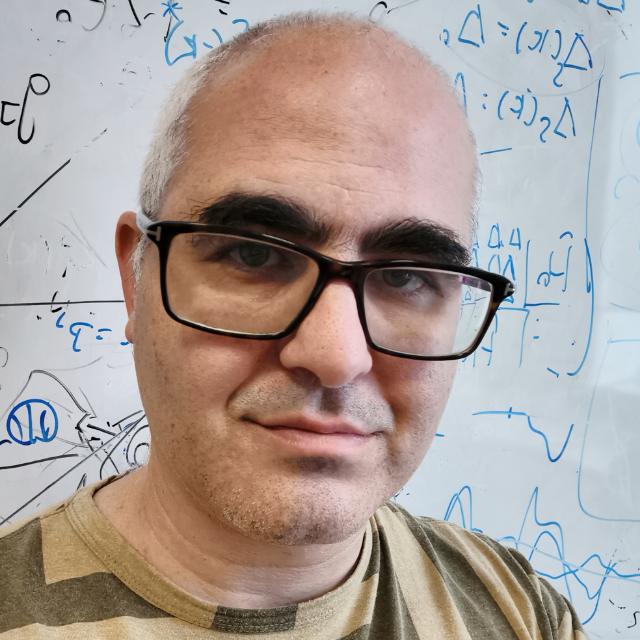
Dr Jorge Quintanilla
University of Kent
Lecture: 3
Date: Sunday 22nd February
Time: 11:00
ABSTRACT:
Winning with Qubits
Many real-life situations can be regarded as attempting to win a game through teamwork. But what if the team members cannot communicate? Perhaps Alice and Bob are underground or they are keeping radio silence to stay hidden from an enemy. Can they use what Einstein termed “spooky action at a distance” to maintain their coordination without sending signals? Or would that be tantamount to cheating the laws of physics? In our emerging world of long-lived qubits and quantum processors, these questions are not merely academic – they are important for everything from logistics to national defence. I will try to answer them.
 PLANCKS UK & IRELAND
